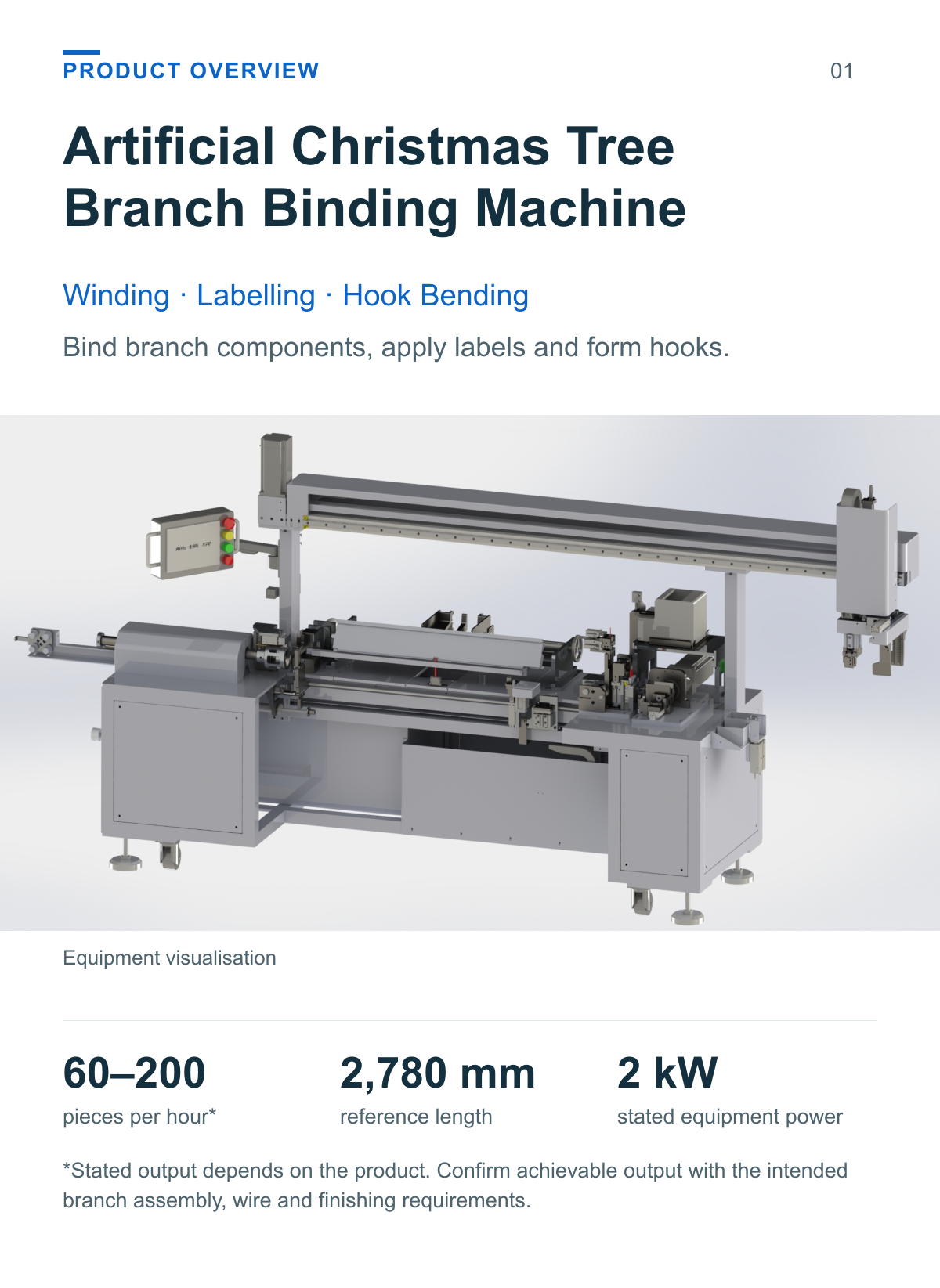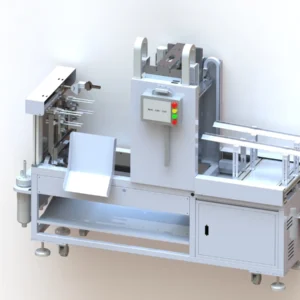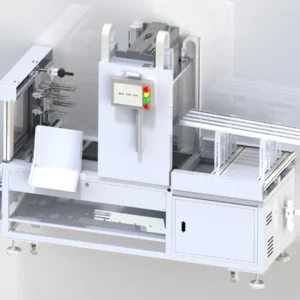
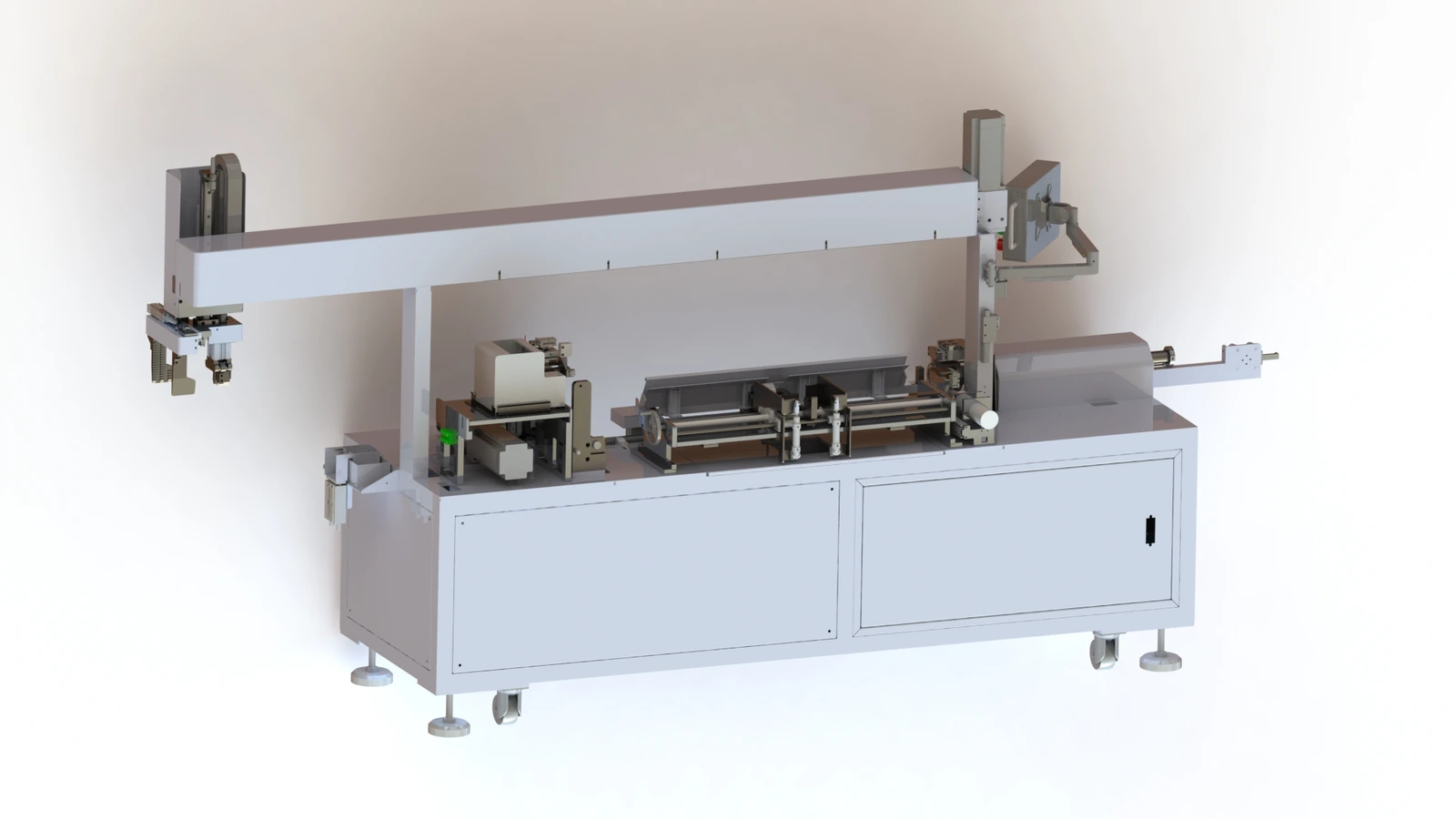
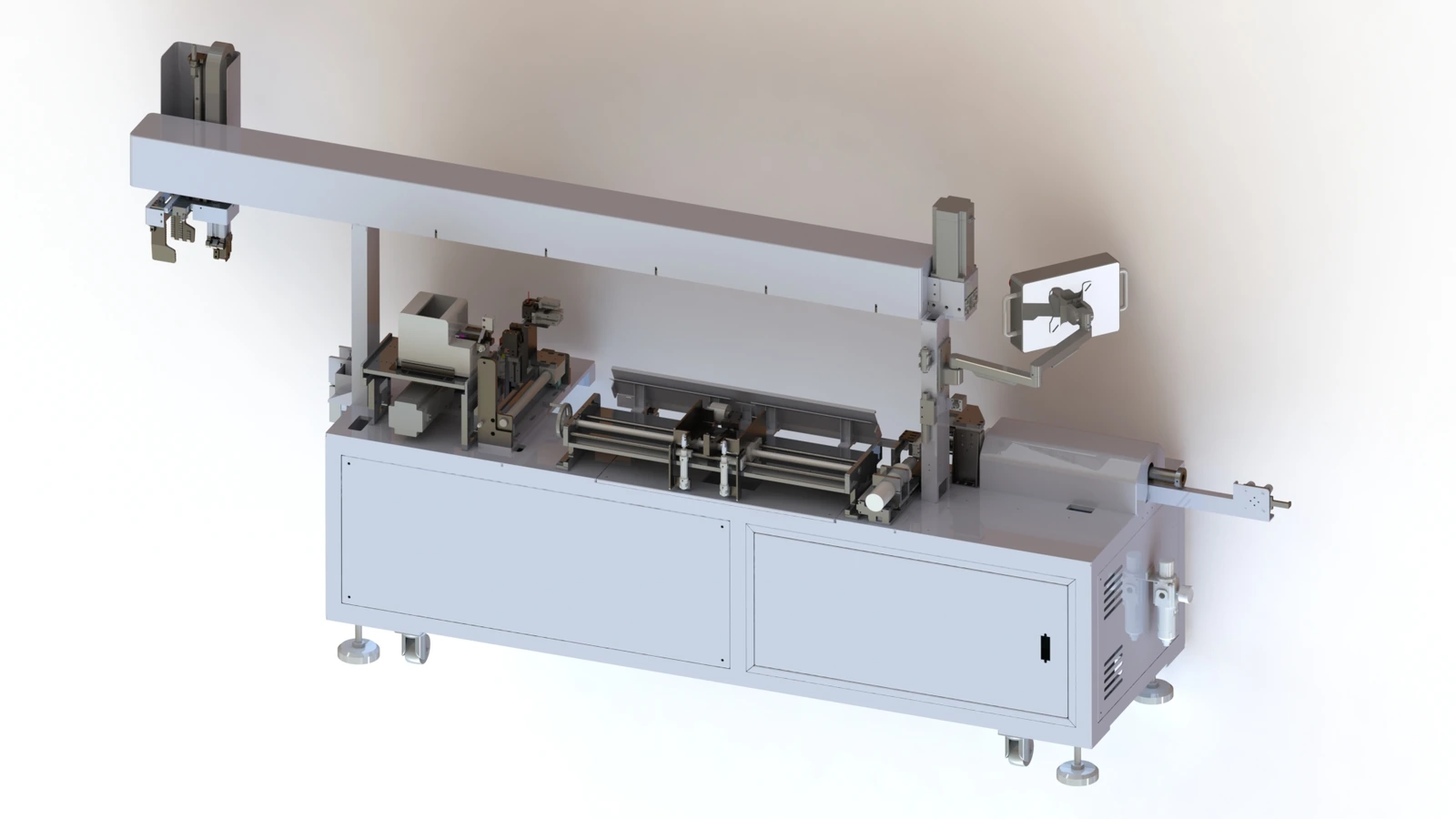
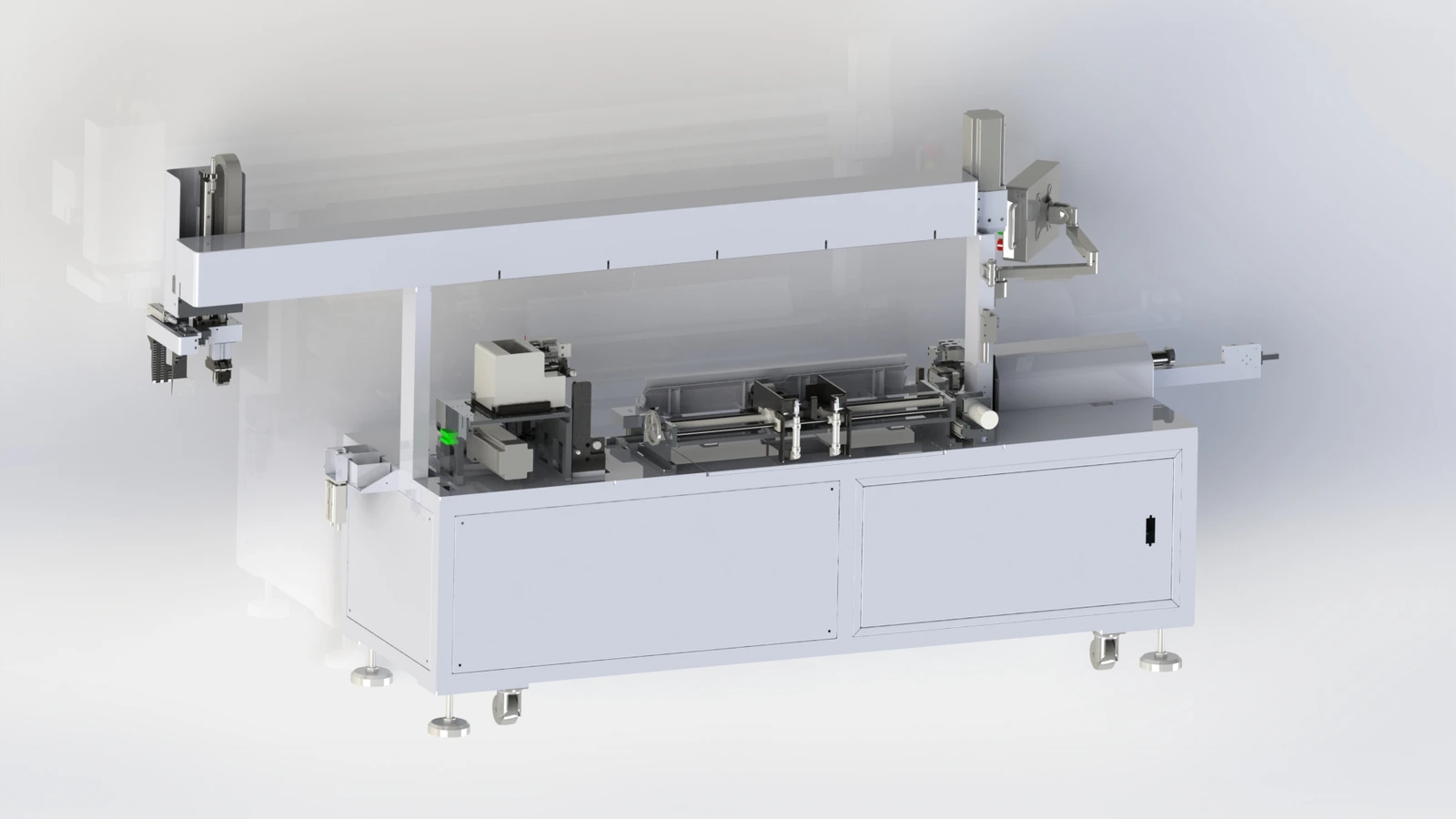
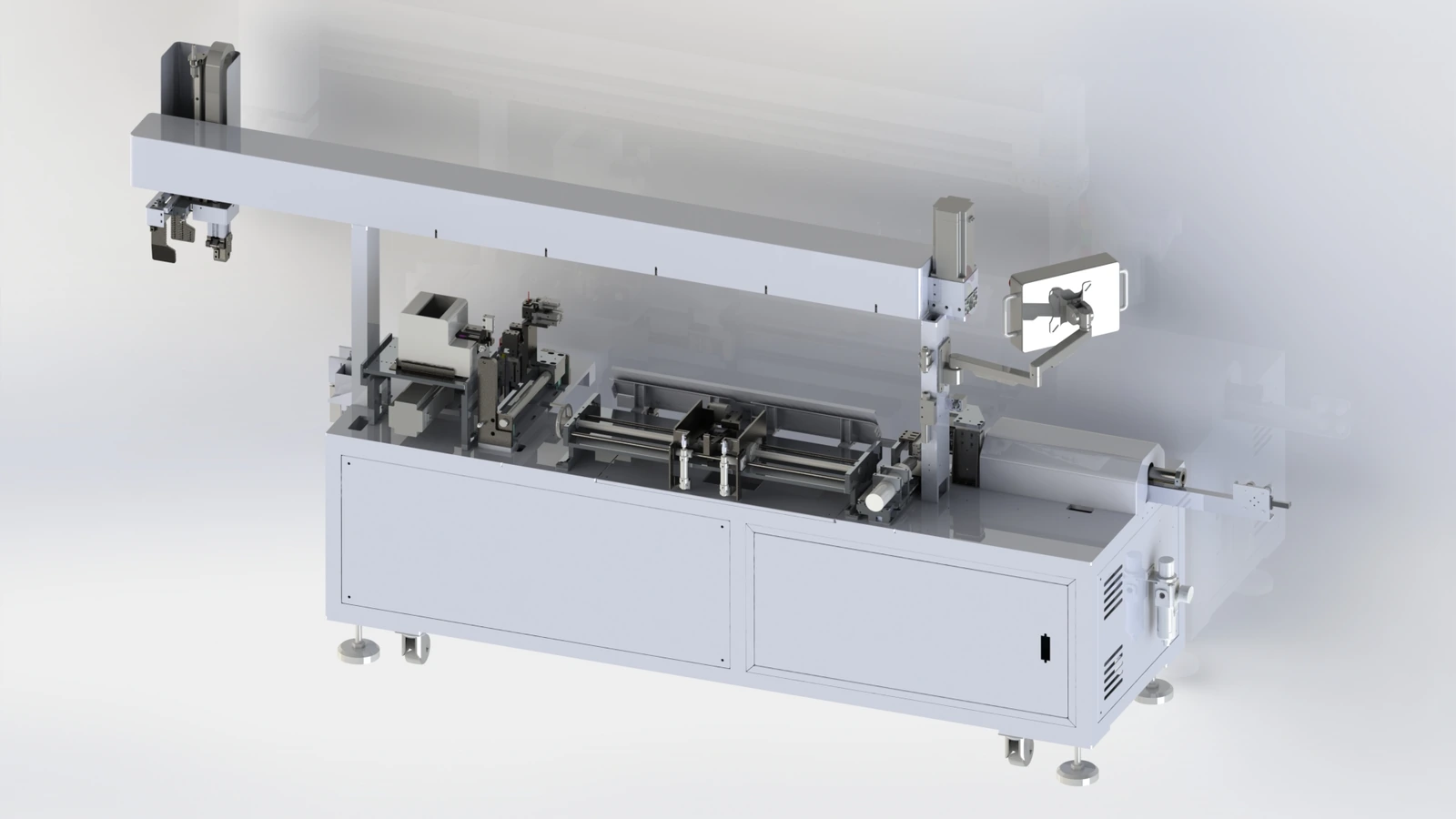
Artificial Christmas Tree Branch Binding Machine
Winding Labelling Hook Bending
Bind branch components, apply labels and form hooks.
This Christmas tree branch binding machine is designed for assembling artificial branches. Its documented functions include wire feeding, programmed winding, labelling, hook bending and product discharge.
60–200 pieces per hour*
2,780 mm reference length
2 kW stated equipment power
*Stated output depends on the product. Confirm achievable output with the intended branch assembly, wire and finishing requirements.
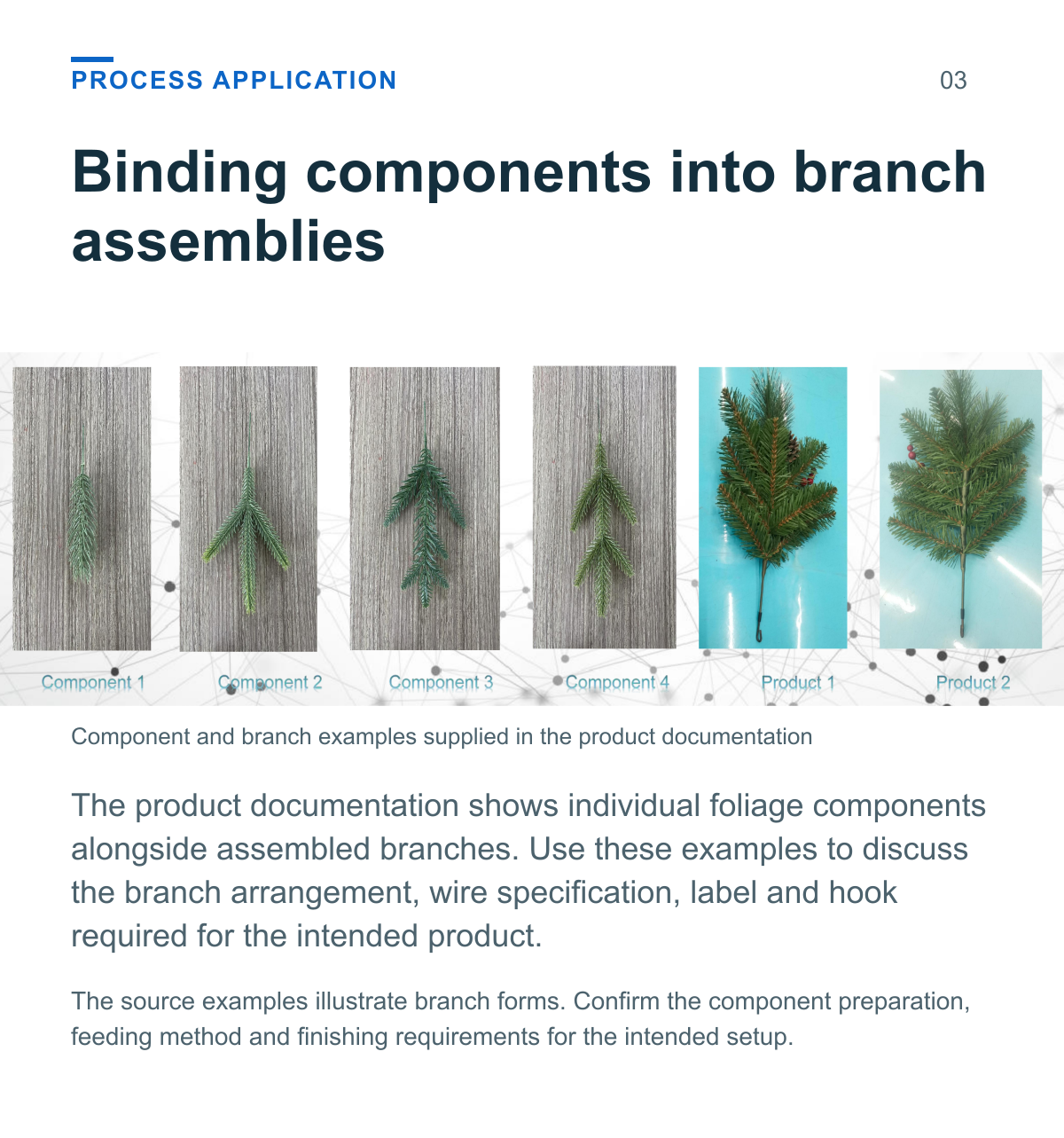
Binding components into branch assemblies
The product documentation shows individual foliage components alongside assembled branches. Use these examples to discuss the branch arrangement, wire specification, label and hook required for the intended product.
Feed wind label and form the hook
The documented process links wire feeding and programmed winding with labelling, hook bending and product discharge.
Feed the wire After reset, the magazine releases one wire. The feed and retraction assembly pushes it into the winding assembly.
Wind to the program Once the wire enters the winding assembly, winding starts according to the set program.
Label and bend the hook The discharge assembly takes the wound product for labelling, then moves it to the hook-bending assembly.
Collect the branch assembly Completed products are placed in the finished-product area. Confirm the required finishing and collection arrangement.
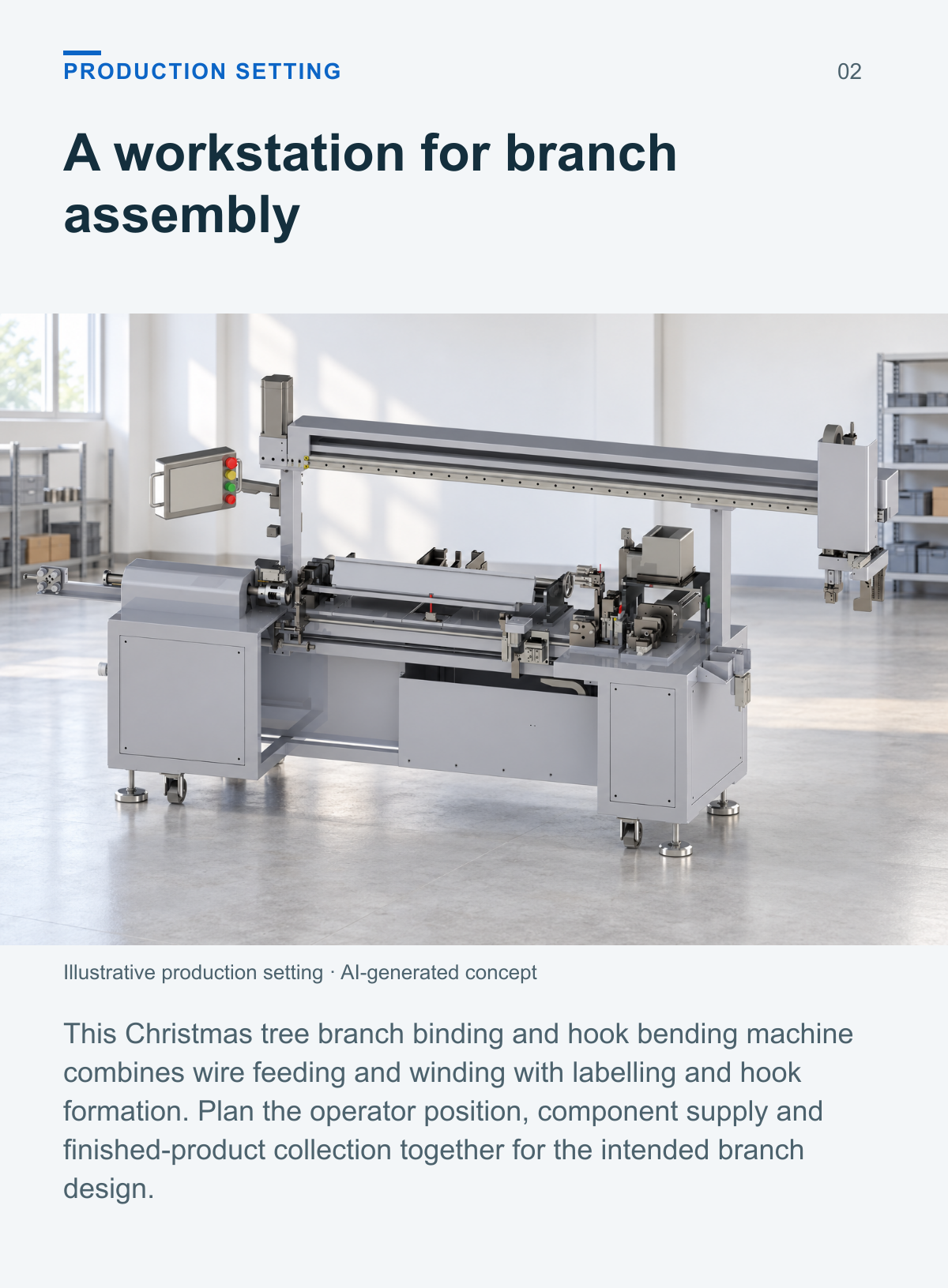
A workstation for branch assembly
This Christmas tree branch binding and hook bending machine combines wire feeding and winding with labelling and hook formation. Plan the operator position, component supply and finished-product collection together for the intended branch design.
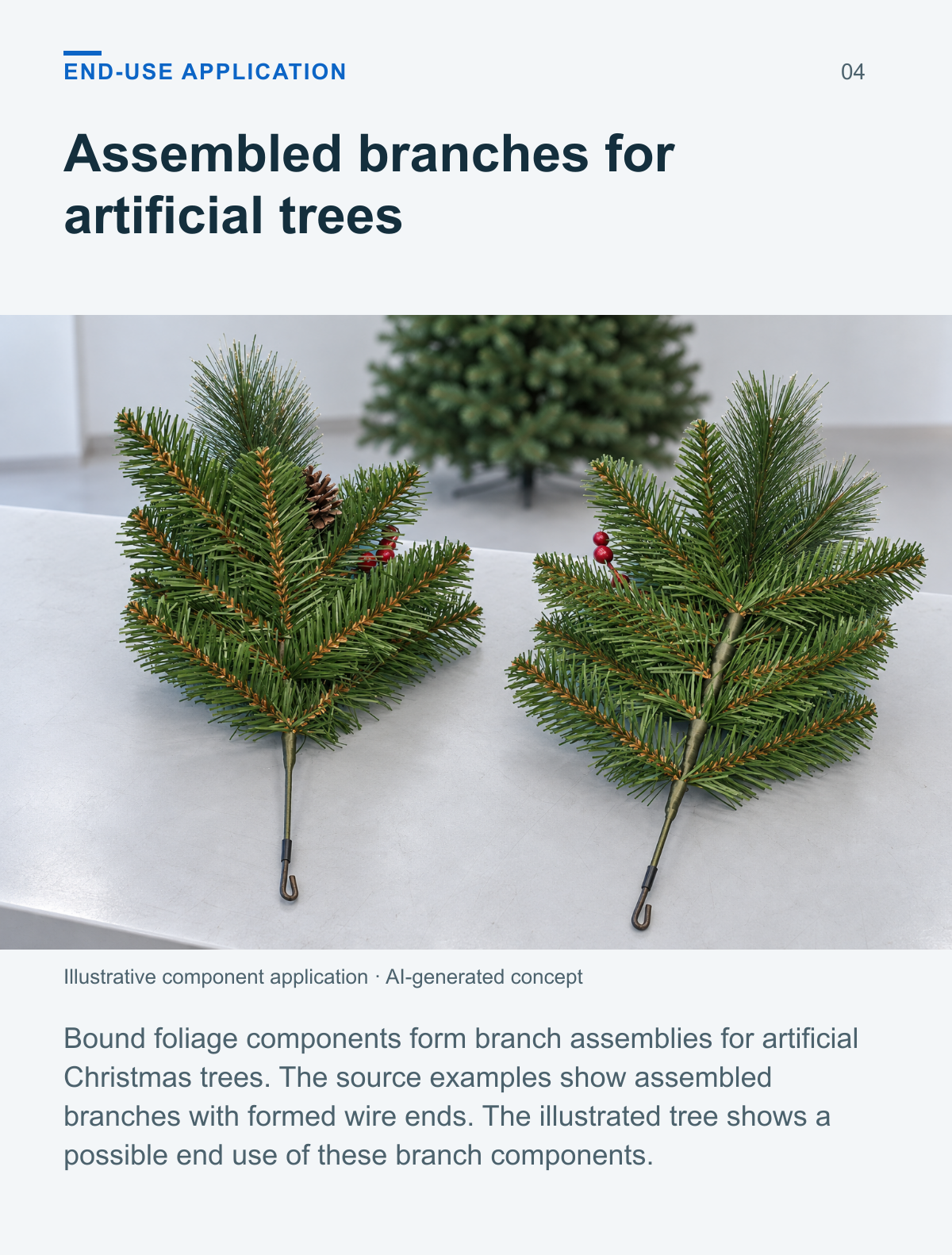
Assembled branches for artificial trees
Bound foliage components form branch assemblies for artificial Christmas trees. The source examples show assembled branches with formed wire ends. The illustrated tree shows a possible end use of these branch components.
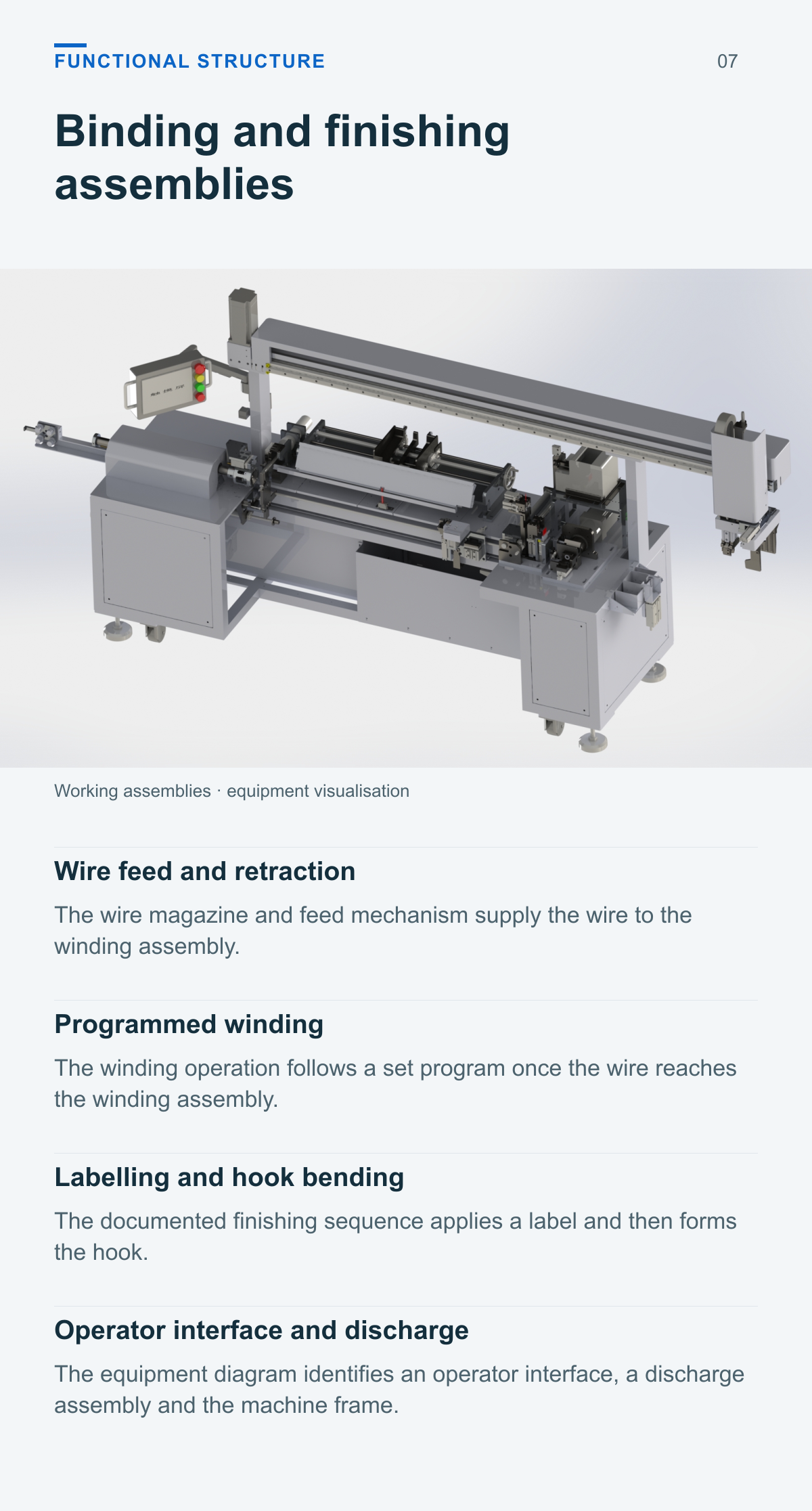
Binding and finishing assemblies
Wire feed and retraction
The wire magazine and feed mechanism supply the wire to the winding assembly.
Programmed winding
The winding operation follows a set program once the wire reaches the winding assembly.
Labelling and hook bending
The documented finishing sequence applies a label and then forms the hook.
Operator interface and discharge
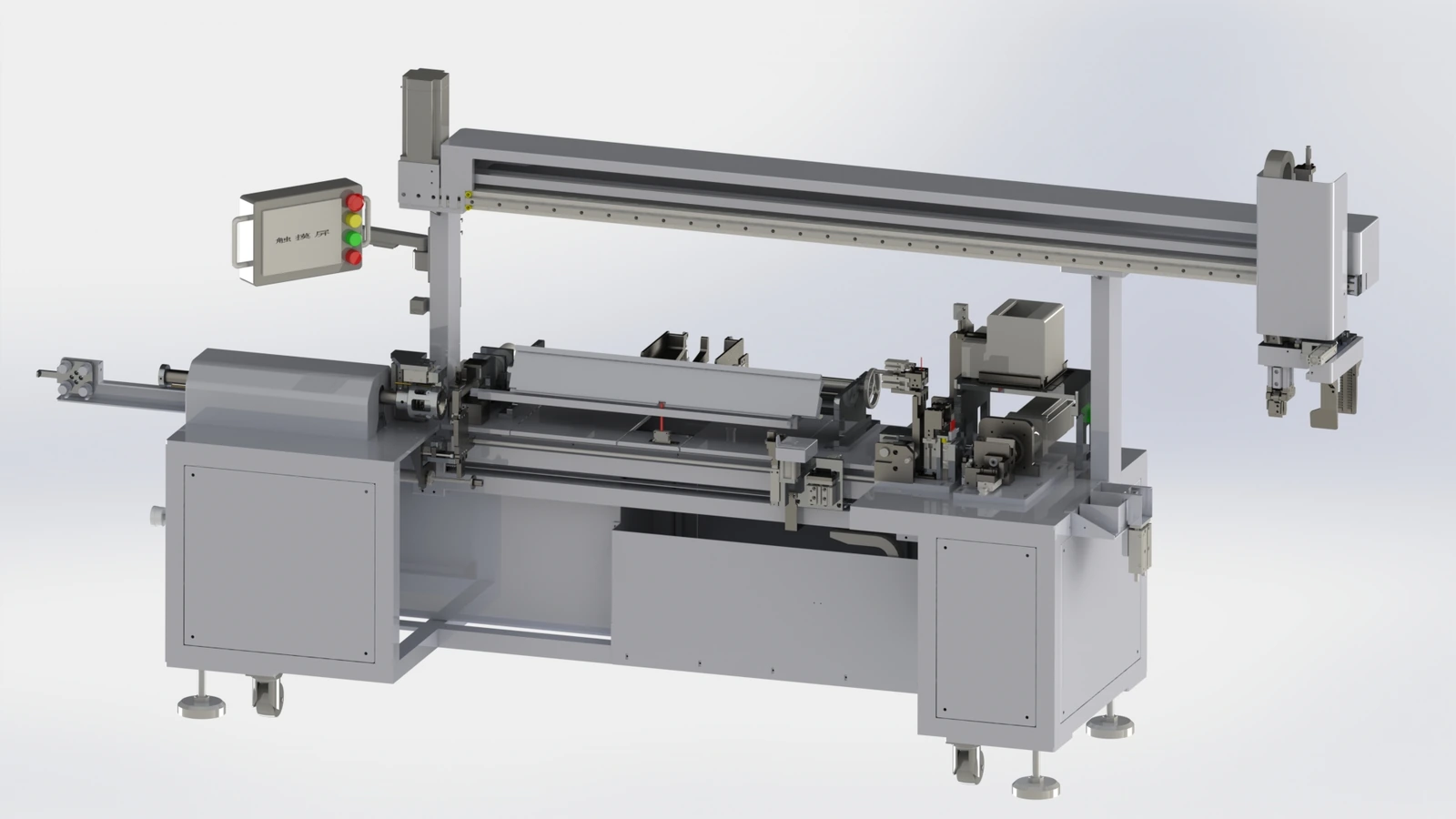
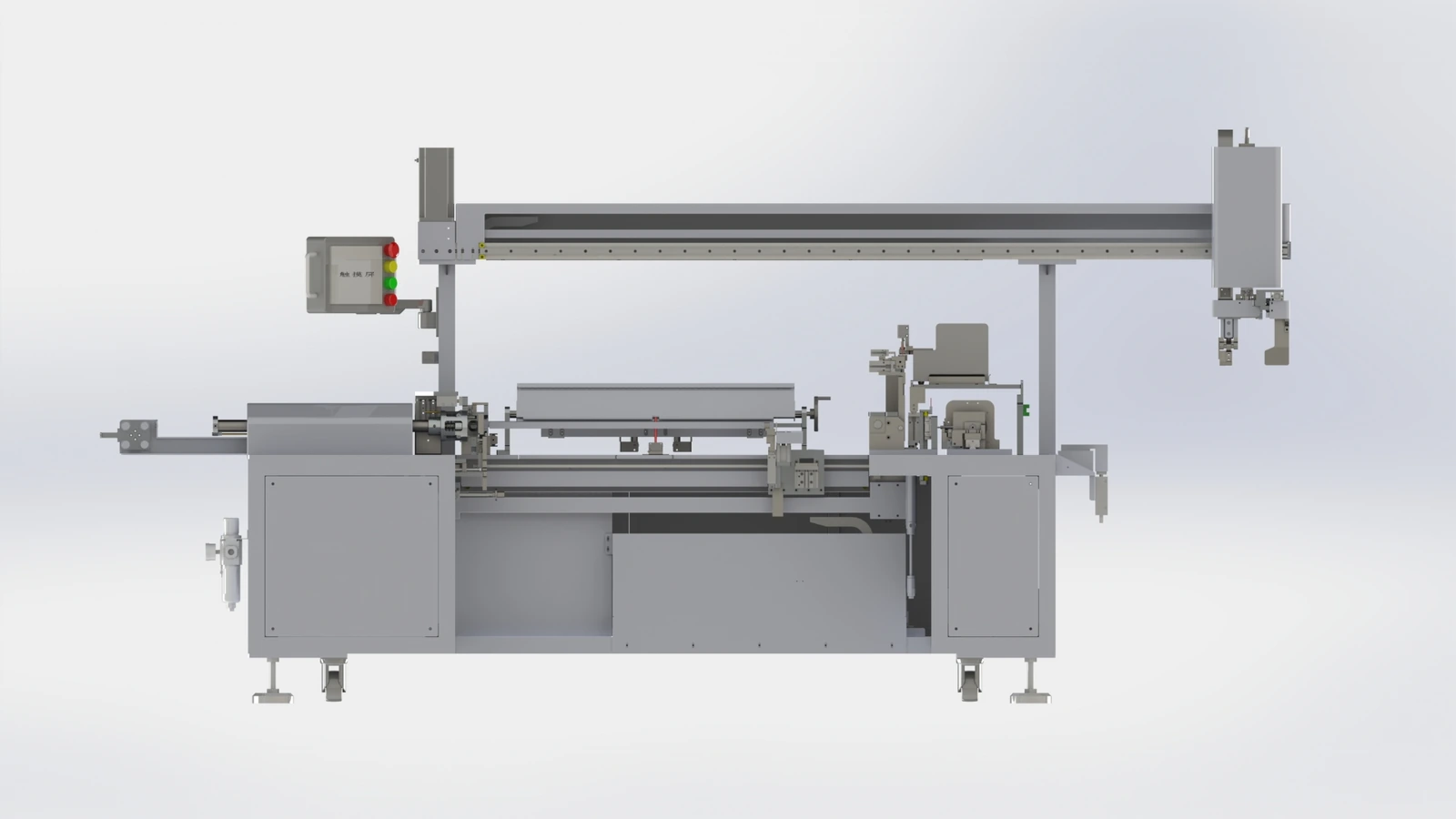
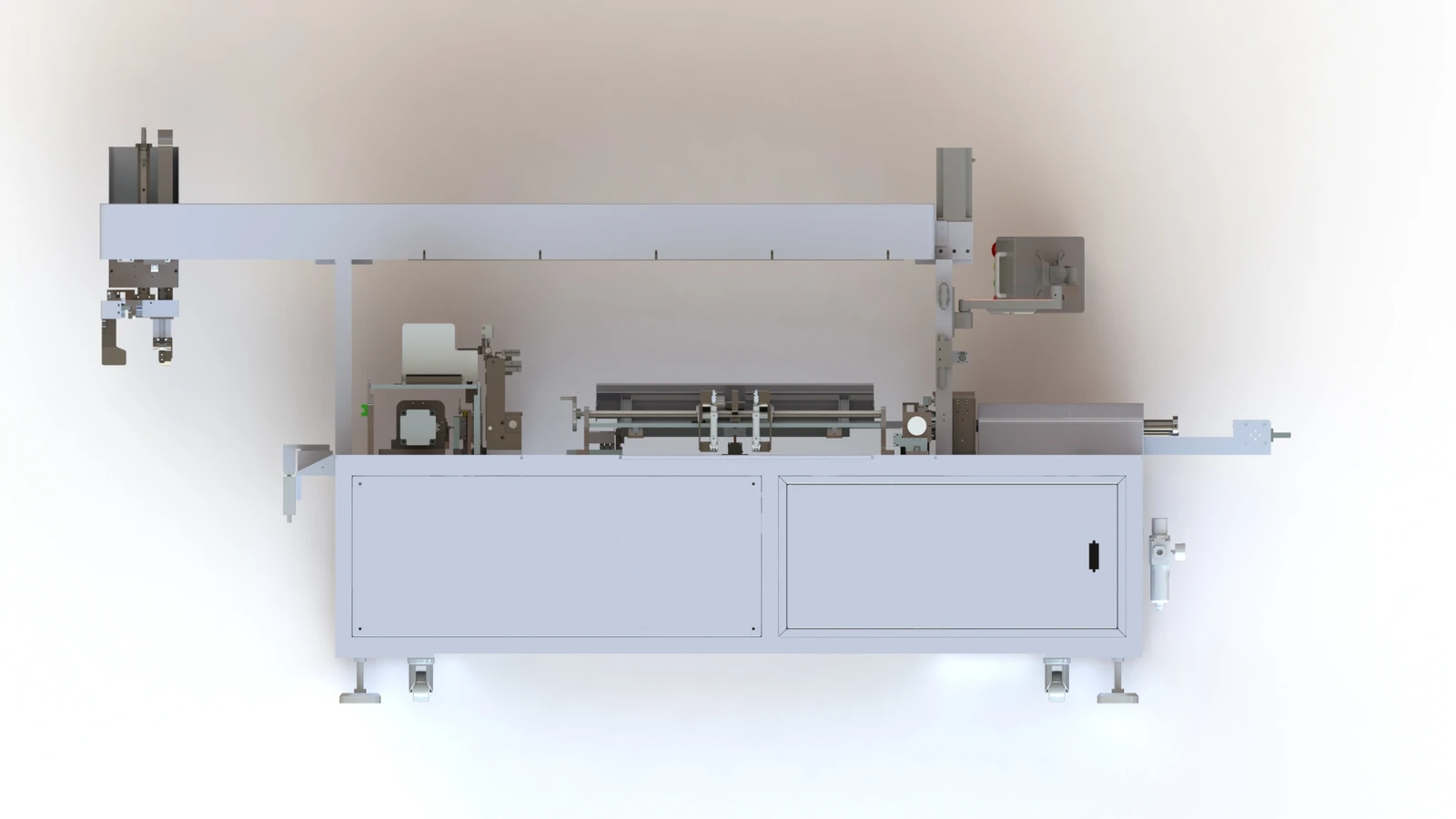
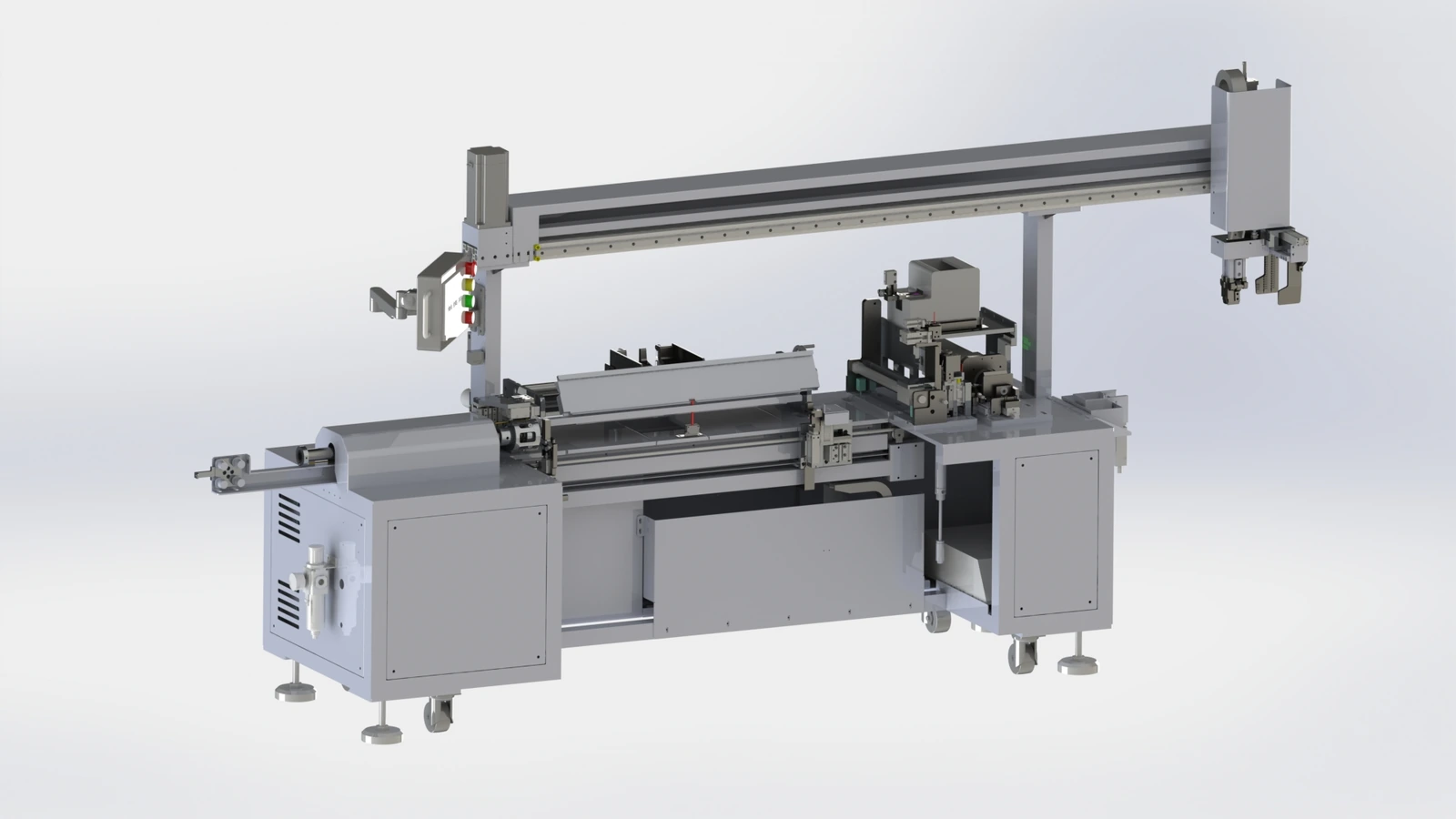
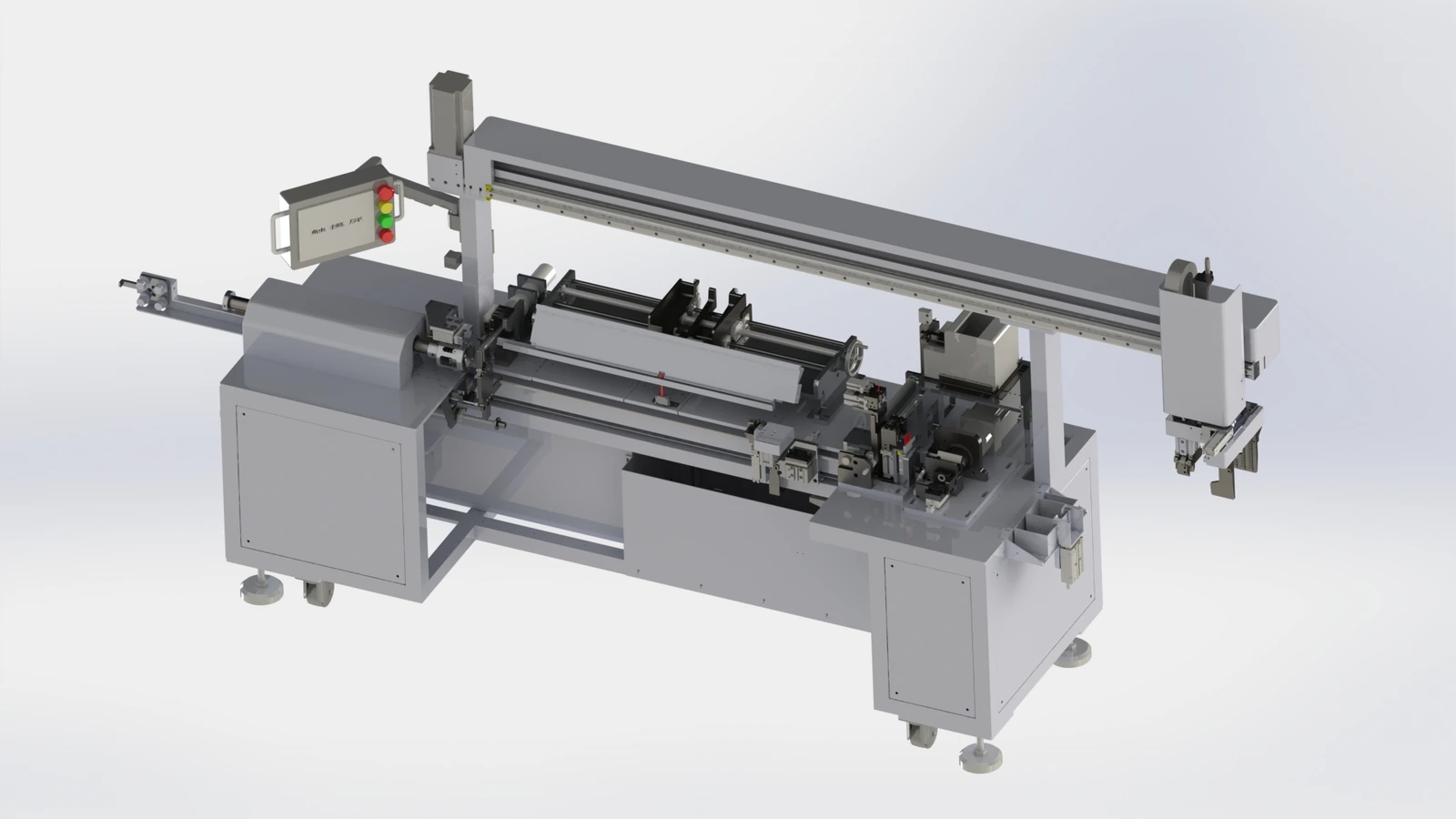
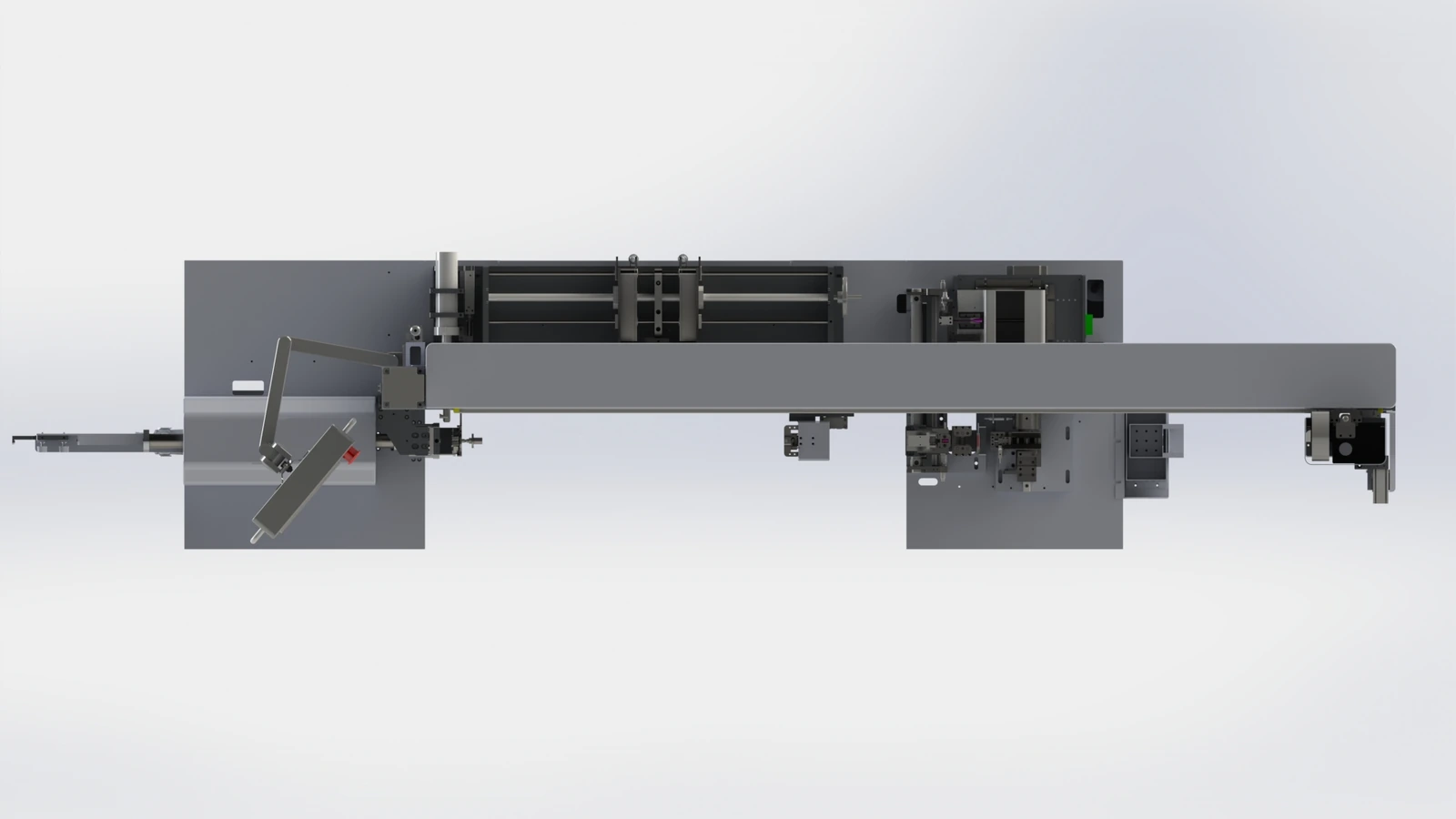
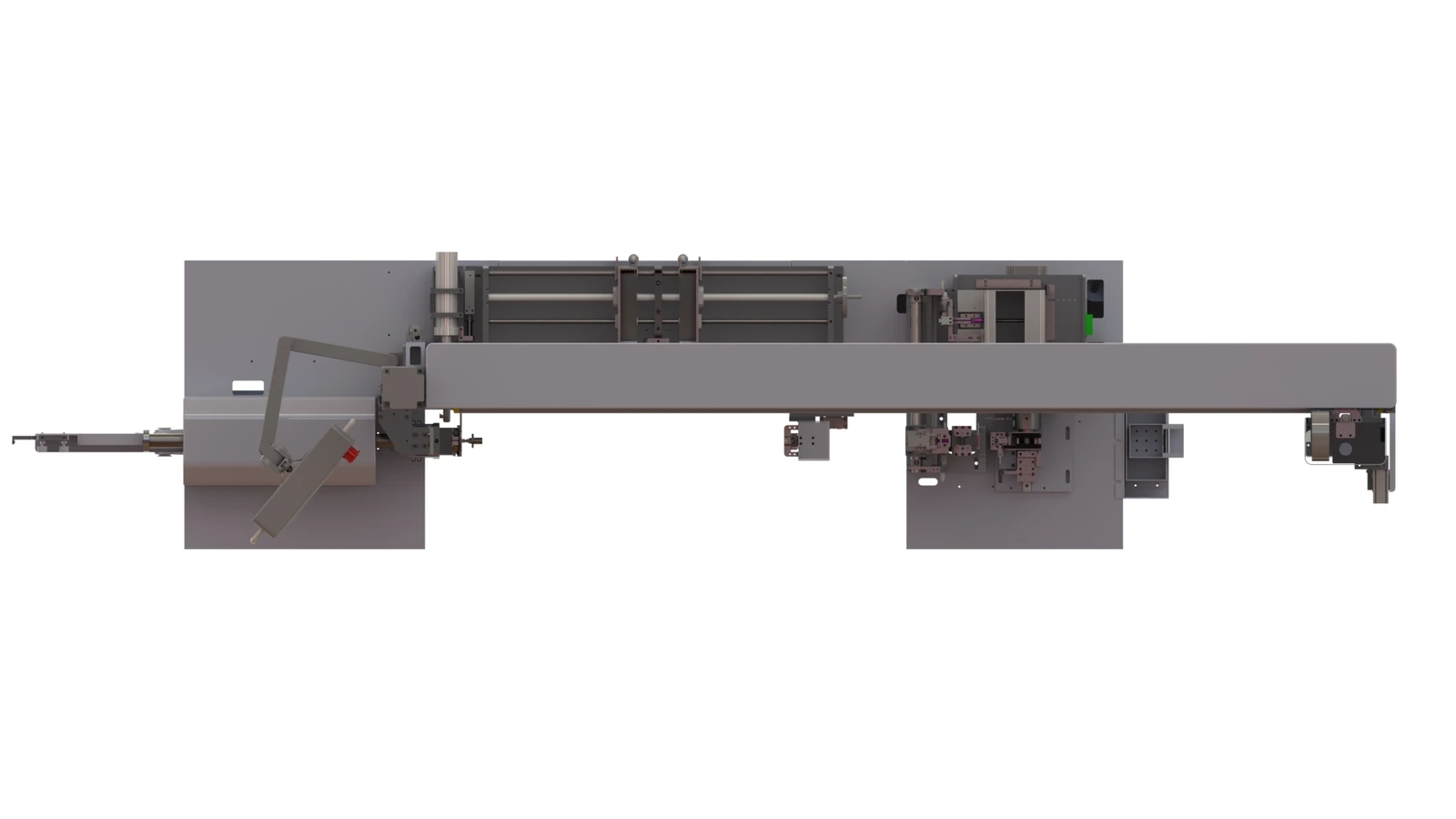
The equipment diagram identifies an operator interface, a discharge assembly and the machine frame.
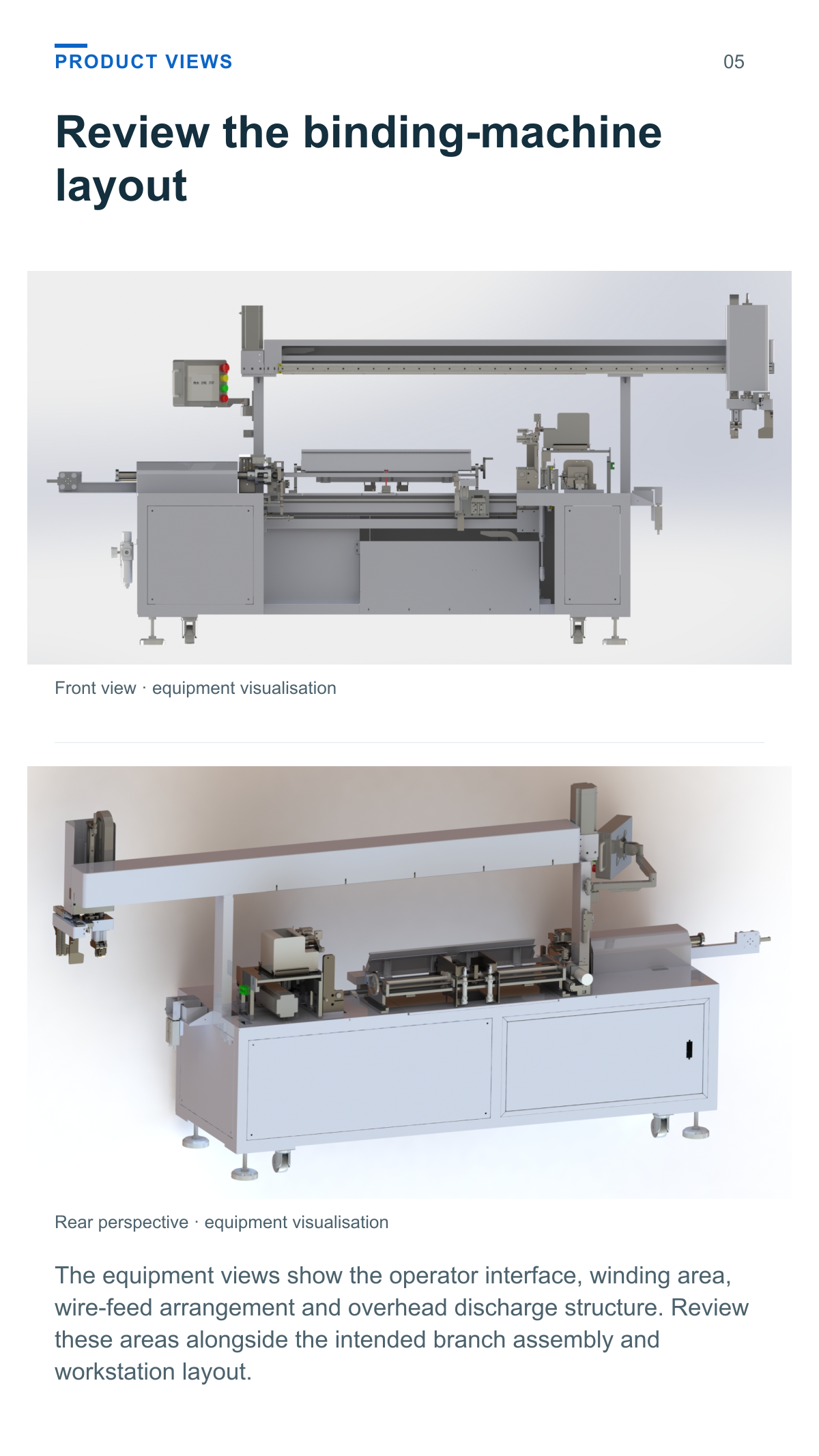
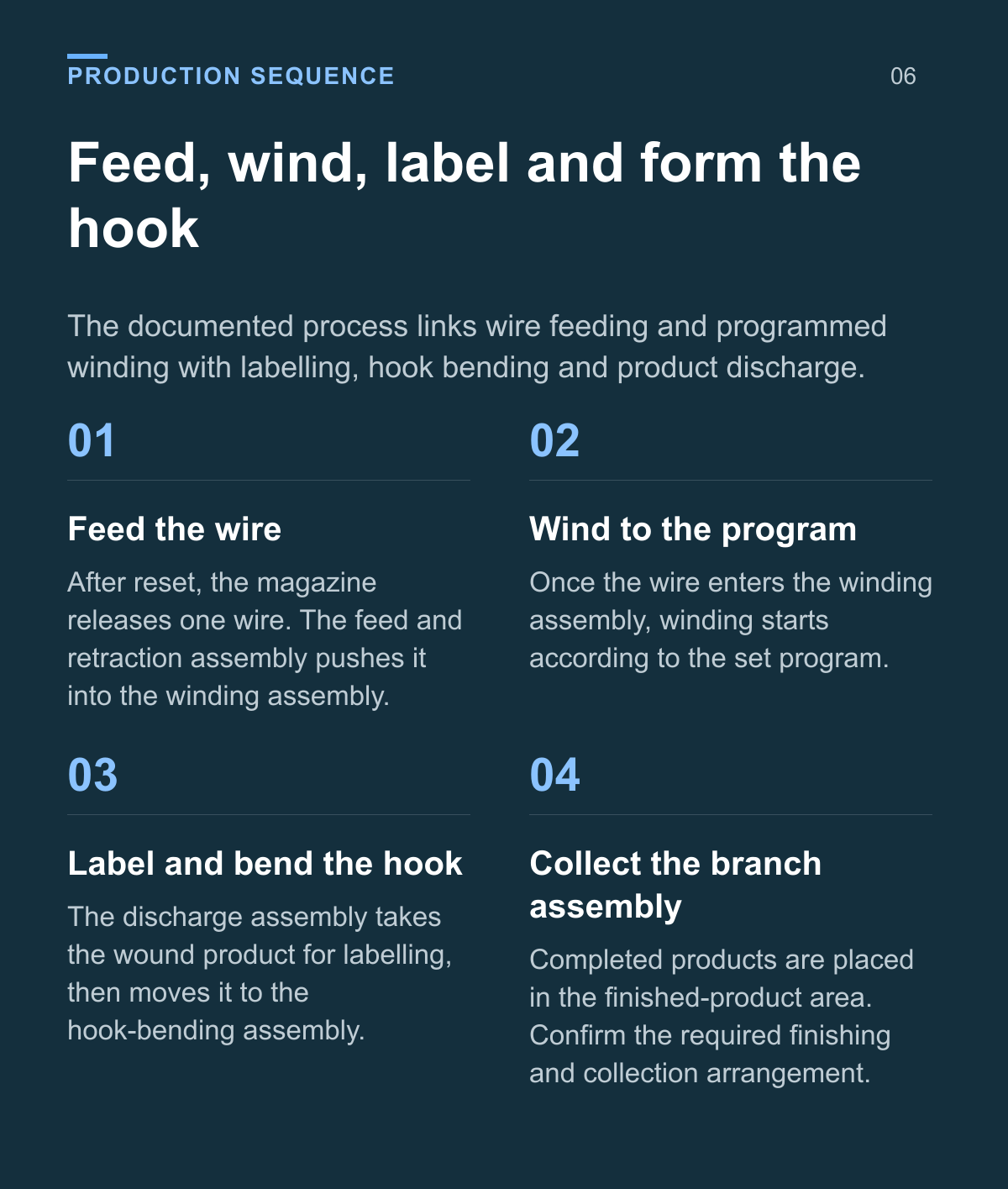
Review the binding machine layout
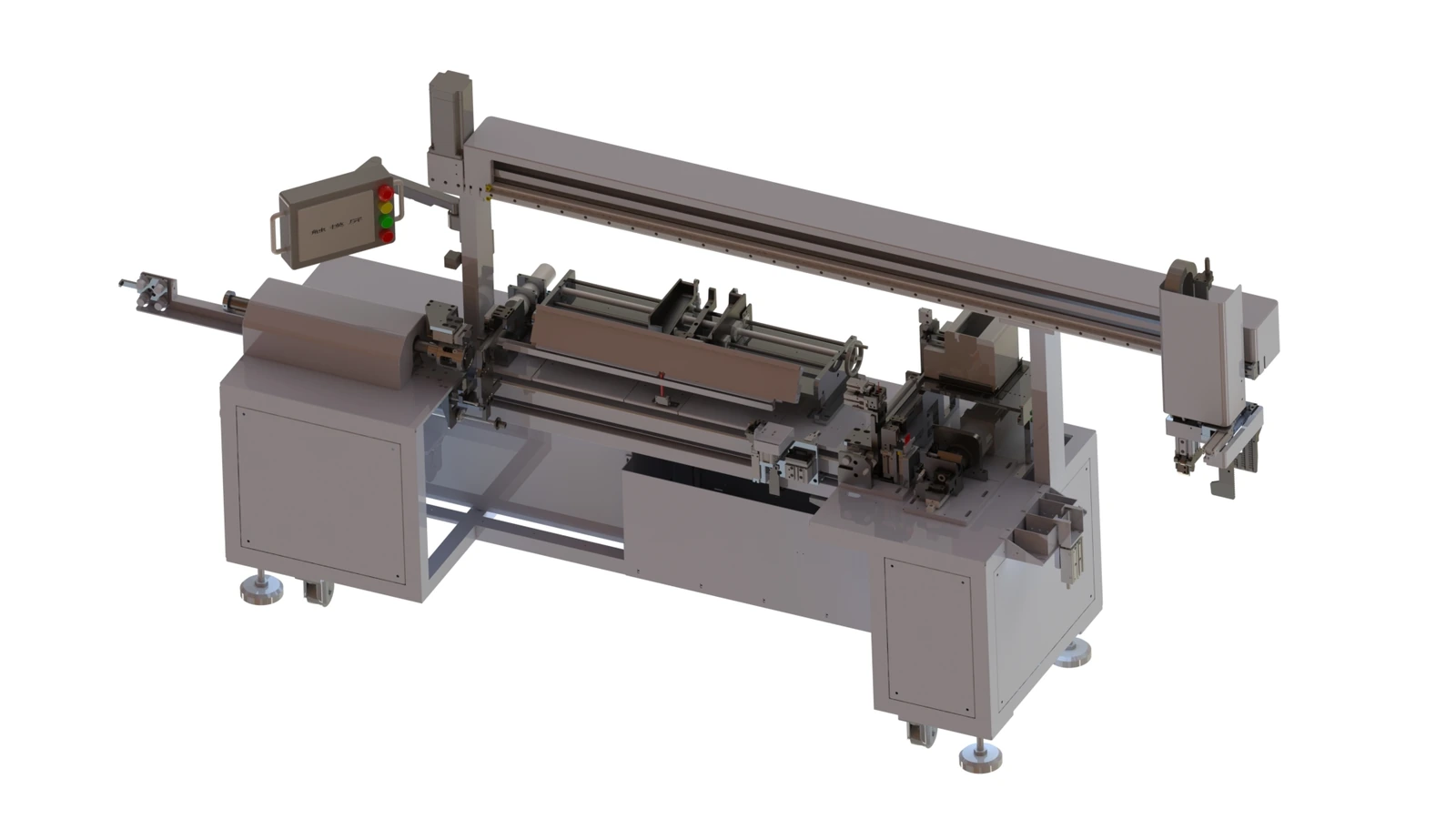
The equipment views show the operator interface, winding area, wire-feed arrangement and overhead discharge structure. Review these areas alongside the intended branch assembly and workstation layout.
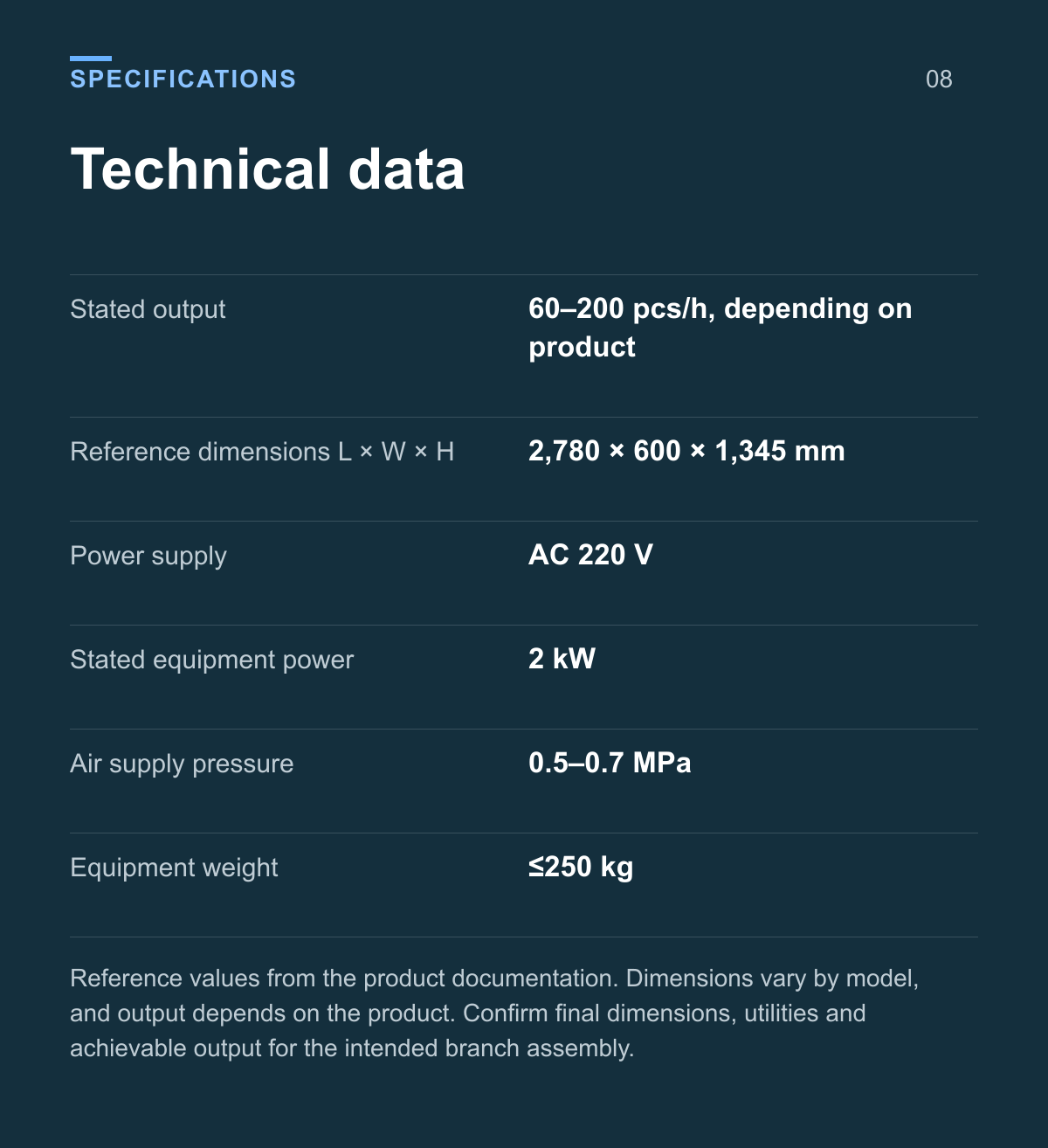
Technical data
| Parameter | Value |
|---|---|
| Stated output | 60–200 pcs/h, depending on product |
| Reference dimensions L × W × H | 2,780 × 600 × 1,345 mm |
| Power supply | AC 220 V |
| Stated equipment power | 2 kW |
| Air supply pressure | 0.5–0.7 MPa |
| Equipment weight | ≤250 kg |
Reference values from the product documentation. Dimensions vary by model, and output depends on the product. Confirm final dimensions, utilities and achievable output for the intended branch assembly.
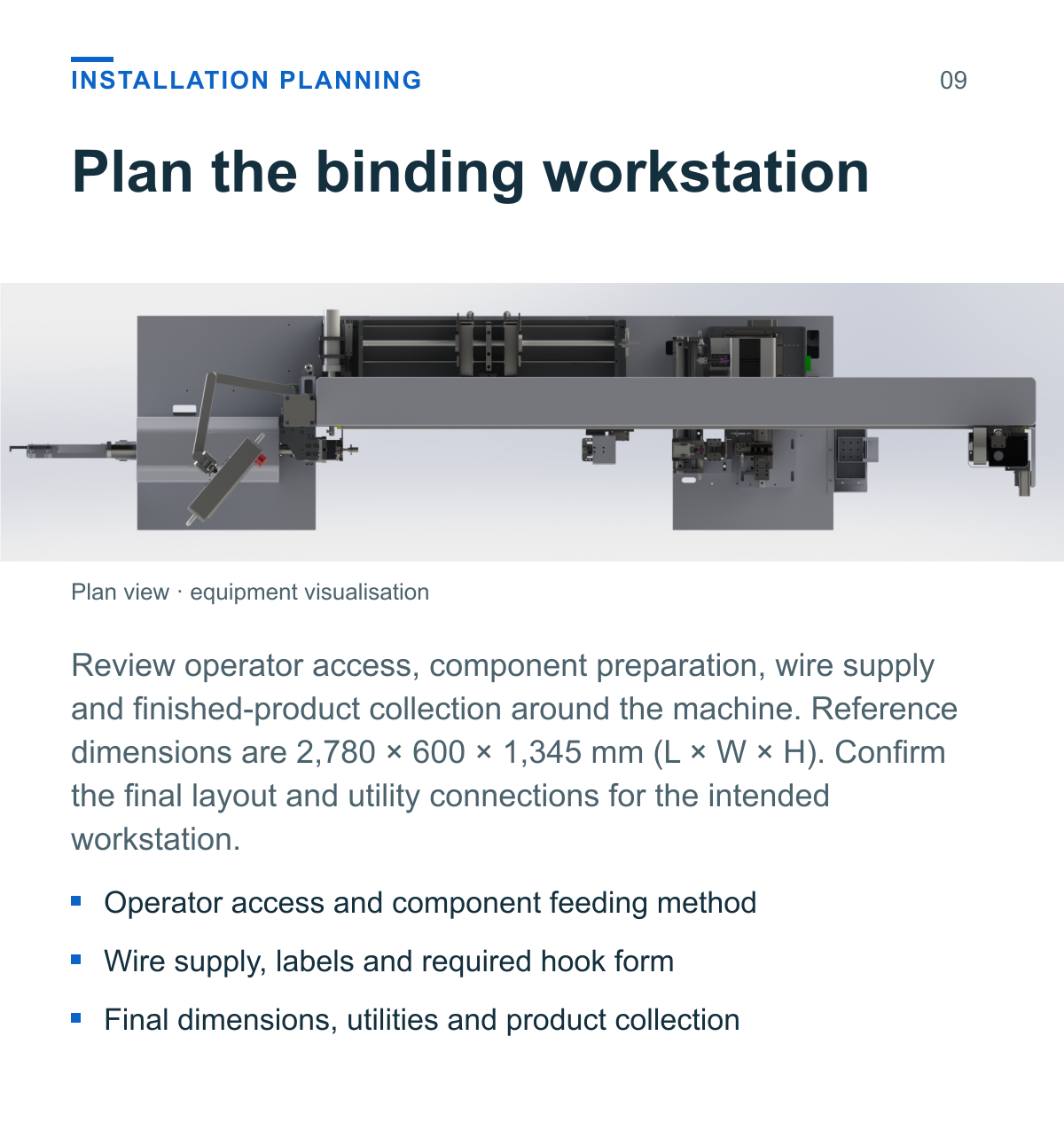
Plan the binding workstation
Review operator access, component preparation, wire supply and finished-product collection around the machine. Reference dimensions are 2,780 × 600 × 1,345 mm (L × W × H). Confirm the final layout and utility connections for the intended workstation.
- Operator access and component feeding method
- Wire supply, labels and required hook form
- Final dimensions, utilities and product collection
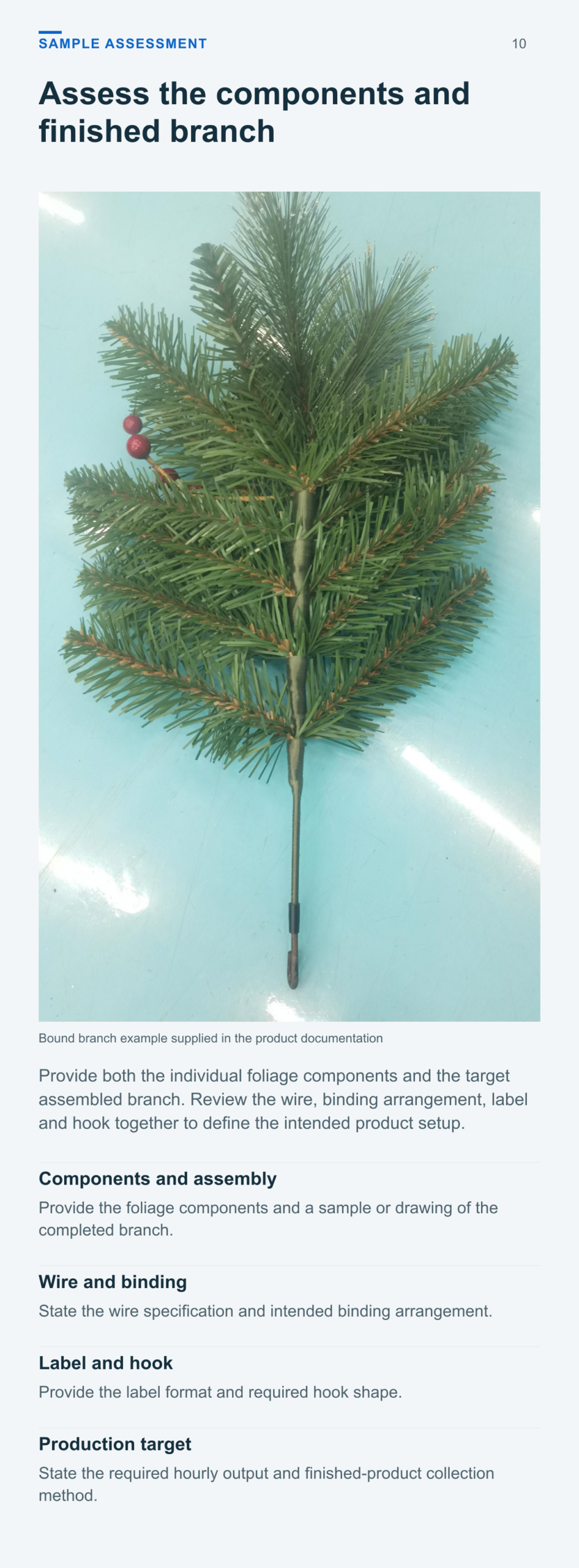
Assess the components and finished branch
Provide both the individual foliage components and the target assembled branch. Review the wire, binding arrangement, label and hook together to define the intended product setup.
Components and assembly
Provide the foliage components and a sample or drawing of the completed branch.
Wire and binding
State the wire specification and intended binding arrangement.
Label and hook
Provide the label format and required hook shape.
Production target
State the required hourly output and finished-product collection method.
Application questions
Does the machine include labelling and hook bending
The documented process includes labelling after winding, followed by hook bending. Confirm the label format, hook geometry and required finishing arrangement for the intended product.
Is the stated output the same for every branch
No. The source specifies 60–200 pcs/h depending on the product. Review the intended branch assembly and finishing requirements before confirming achievable output.
How are components loaded into the machine
The source describes wire feeding and shows an operator workstation. Confirm how the foliage components and any decorations are prepared and presented for the intended setup.
What is needed for a sample assessment
Provide the component samples, assembled-branch target, wire specification, label details and required hook form. Include the hourly production target and proposed collection method.
Define your branch binding application
Provide the branch components and target assembly, wire details, label requirements, hook shape and hourly output target to review the suitable binding-machine setup.
Product views and application details